

Weekly SME4Labour Briefing · Monday 17 August 2026 · Pilot edition
Labour backing Britain’s small businesses
This briefing provides a concise update on Labour Government policies and announcements affecting Britain’s small and medium-sized businesses. It is intended for SME owners, parliamentarians, policymakers and partners.
This week’s headline: public procurement refocused on jobs, skills and local opportunity
The Government has published a revised Social Value Model for central government procurement, designed to ensure that public spending supports good British jobs, skills and opportunity in communities across the country.
The new model applies to covered central government procurements worth £1 million or more, including VAT, and will take effect for procurements commenced from 1 January 2027. It focuses the assessment of social value on two outcomes:
- Good jobs: creating or retaining high-quality employment, improving working conditions and helping people enter and remain in work.
- Skills: training, retraining, workplace progression, apprenticeships, placements and building local talent pipelines.
Contracting authorities must examine market conditions—including the presence of SMEs and voluntary, community and social enterprises—before choosing their award criteria. The criteria must be proportionate and must not create unnecessary burdens or barriers to participation.
What this means for SMEs
The revised model offers smaller suppliers a stronger opportunity to demonstrate the value they already create through local employment, staff development, apprenticeships and community connections. But its success will depend on implementation: contracts must be accessible, requirements proportionate, opportunities visible early and large contracts divided into realistic lots wherever possible.
SMEs interested in public contracts should begin recording evidence of jobs created or retained, training delivered, progression supported and partnerships with local organisations. More detailed government guidance is expected in autumn 2026.
Government renews its partnership with business
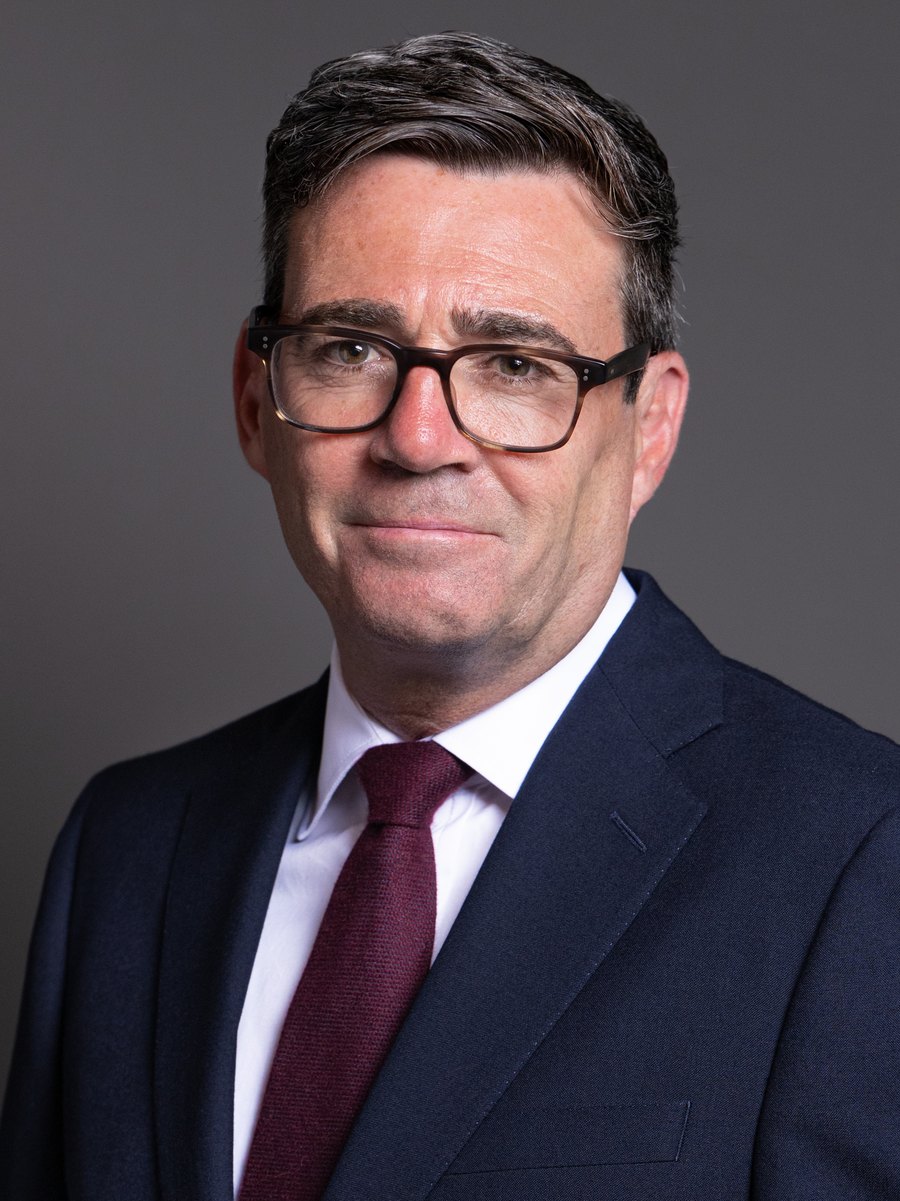 Prime Minister Andy Burnham
Prime Minister Andy Burnham has set out a new offer to Britain’s businesses based on greater certainty, clearer long-term direction, faster decisions and a stronger business voice in policymaking.
In his first discussions with business organisations—including the Federation of Small Businesses, Small Business Britain and the Startup Coalition—the Prime Minister committed the Government to bringing down business costs and creating a better environment for firms to invest and grow. He also asked employers to work with government on youth unemployment and skills shortages.
For small firms, the test will be whether this partnership produces meaningful representation in the decisions that affect cash flow, taxation, regulation, recruitment and the future of local high streets.
Late-payment protections move through Parliament
The Small Business Protections Bill represents the toughest proposed action on late payment in more than 25 years. The legislation includes:
- a 60-day cap on payment terms when large businesses pay smaller suppliers;
- mandatory interest on late payments at 8% above the Bank of England base rate;
- stronger powers for the Small Business Commissioner to investigate poor practice, adjudicate disputes and fine persistent offenders; and
- action to end the withholding of retention payments in construction contracts.
The Government estimates that late payment costs the economy £11 billion annually and contributes to the closure of 38 businesses every day. For SMEs, effective enforcement will matter as much as the legal rules themselves. SME4Labour will continue to follow the Bill’s progress and press for a system that is simple and safe for small suppliers to use.
Business-rates support and room to expand
Changes in force from April 2026 include an extension of the Small Business Rates Relief grace period from one year to three years where an eligible small business expands into a second property. This reduces the immediate rates penalty that can otherwise discourage a firm from taking its next step.
The Supporting Small Business scheme also caps increases for businesses losing some or all of their relief. Eligible pubs and live music venues currently receive 15% relief for 2026–27, while the Prime Minister has announced 20% relief as part of the Government’s new offer to business.
These measures offer welcome help, particularly for property-based businesses. However, the wider case for fundamental business-rates reform remains strong. High-street firms need a system that does not penalise premises-based businesses or discourage investment and growth.
Support available to help firms grow
The Government’s SME strategy, Backing Your Business, includes:
- a new Business Growth Service intended to make advice and support easier to find;
- better integration of export advice and support;
- an increase in UK Export Finance capacity from £60 billion to £80 billion, including a Small Export Builder insurance product;
- an SME Procurement Education programme;
- a Defence SME Support Centre to simplify access to defence opportunities; and
- targeted support for innovation, intellectual property and business security.
SME4Labour will monitor how quickly these commitments translate into services that are accessible to microbusinesses, sole traders and firms outside established business networks.
Dates and actions for small employers
- 25 August 2026: deadline to respond to the Government consultation on reforms to zero-hours and similar contracts.
- 1 September 2026: deadline for the consultation on employment rights for unpaid carers and parents of seriously ill children.
- 23 September 2026: deadline to contribute to the Acas consultation on its disciplinary and grievance code.
- Autumn 2026: detailed guidance supporting the revised Social Value Model is expected.
- 1 January 2027: the revised Social Value Model applies to relevant new central government procurements.
SME4Labour’s view
 Cllr Ibrahim Dogus, Chair of SME4Labour
Ibrahim Dogus, Chair of SME4Labour, said:
“Small businesses do not ask government for special treatment; they ask for a fair chance to compete, to be paid on time and to grow without being punished for doing so. Labour’s action on late payments, procurement and support for expanding firms points in the right direction.
“The next task is delivery. Small firms must be able to see and win public contracts, access support without navigating a maze, and have a genuine voice when policy is designed. SME4Labour will work constructively with ministers, parliamentarians and the business community to ensure these reforms deliver for SMEs in every part of the country.”
SME4Labour priority for the week ahead
The revised procurement model creates an opportunity, but social-value requirements must not become another compliance hurdle that favours firms with large bid-writing teams. SME4Labour will make the case for straightforward guidance, proportionate evidence requirements, early market engagement and stronger publication of SME-accessible opportunities.
About SME4Labour
SME4Labour is a Labour supporters’ group bringing together small and medium-sized businesses, trade unions, Labour parliamentarians, councillors and policymakers. It is not affiliated to the Labour Party and is not a lobbying organisation.
Sources: PPN 026: The Social Value Model · Backing Your Business · Small Business Protections Bill · Prime Minister’s new offer to business · Employment-law consultations. This briefing is for general information and does not constitute legal, tax or financial advice.