
Weekly SME4Labour Small Business Briefing
Monday 7 September 2026 | Main reporting period: 31 August–6 September 2026
Labour cutting paperwork and backing practical routes to growth
This week brought several concrete developments for small and medium-sized businesses: proposals to simplify corporate reporting, a new hospitality grant scheme, an open defence-innovation competition, regional growth funding released for delivery, clearer employment-law guidance and a major transport milestone in the Liverpool City Region.
The clearest theme is practical delivery. Some measures are open now, while others are consultations or programmes whose benefit will depend on implementation. This briefing labels those differences and sets out what SMEs can do next.
1. Headline: simpler corporate reporting proposed for SMEs
Status: policy consultation announced on 6 September; consultation runs from 7 September to 30 November 2026. Existing reforms and new proposals are described separately below.
The Labour Government has announced a wider overhaul of corporate reporting. The proposals include a lighter reporting burden for small and medium-sized companies, allowing some medium-sized companies to qualify for audit exemption, simplifying non-financial reporting requirements and making electronic shareholder communications the default.
The Government says reforms already introduced are expected to save businesses more than £450 million a year. Within the next phase, plans already under way to remove directors’ reports and widen strategic-report exemptions are expected to save around £230 million annually. These estimates cover business as a whole and should not be read as a guaranteed saving for every SME.
Government announcement, 6 September 2026
What this means for SMEs — analysis: Proportionate reporting and wider audit exemptions could reduce accountancy costs and management time for eligible companies. The detail matters: thresholds, eligibility, investor and lender expectations, and the final legislation will determine the real saving for each business. An audit exemption would permit an eligible company not to obtain a statutory audit; it would not prevent a lender, investor or shareholder from asking for additional assurance.
Practical action: Company directors, accountants, lenders and business groups should review the consultation from 7 September and submit evidence by 30 November 2026, particularly on where reporting requirements impose disproportionate costs and what safeguards should remain.

2. £10 million Hospitality Grant Scheme launches
Status: three-year scheme announced on 2 September; guidance is available and applications are expected to be received from the end of September. No precise closing date was stated in the public announcement.
The Government launched a £10 million Hospitality Grant Scheme aimed at projects that start new hospitality ventures, bring vacant premises back into use, improve productivity and sustainability, or support training and routes into work. More than £3 million is earmarked for the independent non-profit Pub is The Hub, which helps pubs in rural and deprived areas diversify into services such as village shops and community cafés.
Government announcement and application link, 2 September 2026
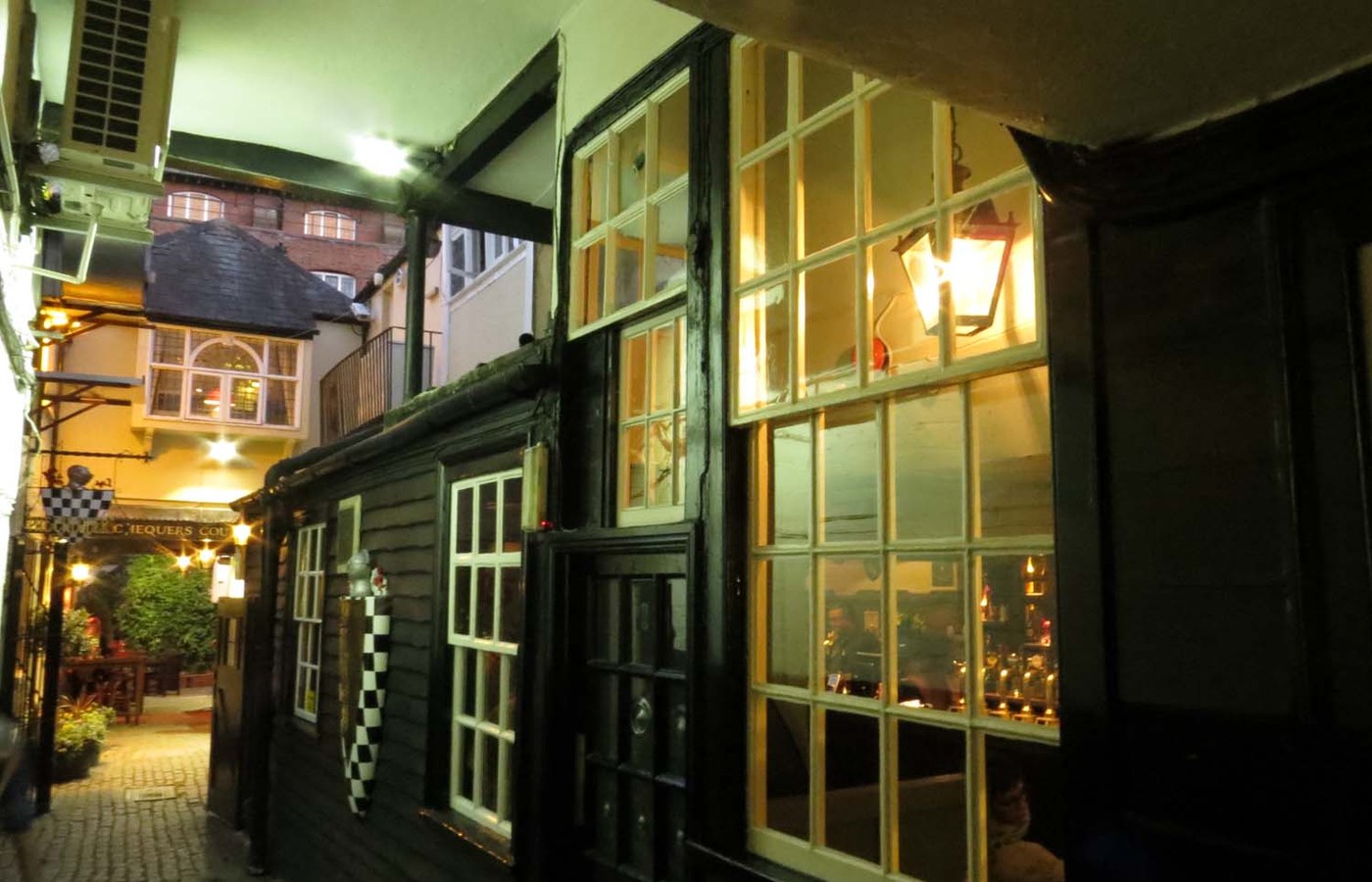
What this means for SMEs — analysis: This is targeted project funding, not an automatic grant for every pub, restaurant or café. It may be particularly useful for partnerships proposing new ventures, training, productivity improvements or community diversification. The £3 million allocation to Pub is The Hub is part of the £10 million total, not additional funding.
Practical action: Hospitality businesses should register on the linked grant portal, read the guidance and prepare a clear project case, delivery partners, costs and outcomes before applications begin at the end of September. Rural and community pubs should also check whether Pub is The Hub support fits their plans.
3. New employment-rights guidance gives employers a clearer timetable
Status: guidance hub updated on 4 September; reforms are being phased and some future dates remain subject to parliamentary processes.
Business.gov.uk has published a single guidance hub setting out employment changes already in force, forthcoming implementation dates and open consultations. It identifies changes expected from 1 October, 30 October and 1 January 2027, while warning that future dates may change.
Official employment changes guidance, updated 4 September 2026
Separately, the Government’s 3 September minimum-wage enforcement round reported that around £4 million had been repaid to more than 27,000 workers, with £7 million in penalties. Ministers urged employers to check payroll and seek help from Acas where needed. Government enforcement announcement.
What this means for SMEs — analysis: A consolidated timetable should make compliance planning easier. Strong enforcement also supports fair competition by preventing non-compliant employers from undercutting responsible businesses. However, the enforcement announcement is not a new grant or cost reduction.
Practical action: Employers should compare contracts, payroll, harassment policies and record-keeping against the official timetable; note which reforms apply by workforce size; and use Acas advice where the position is unclear.
4. £5 million competition for UK defence innovators
Status: two-stage competition opened on 2 September; Stage 1 closes at 12 noon BST on 23 September 2026. Contracts are subject to competition, proposal quality and approvals.
UK Defence Innovation has opened Project PANOPTES, seeking UK-based innovators able to develop an integrated capability to detect and defeat mass and low-cost uncrewed aerial threats. A share of up to £5 million is available immediately, with multiple contracts anticipated. Stage 1 is a shorter innovation-screening submission; detailed Stage 2 proposals will be by invitation.
What this means for SMEs — analysis: The two-stage structure may lower the initial bidding burden for specialist technology, engineering, software and manufacturing firms. Funding is competitive and highly specific; the announcement does not mean contracts have already been awarded or that any SME share is guaranteed.
Practical action: Relevant innovators should read the full requirements, register for the 9 September webinar, create an account on the submission service and submit Stage 1 well before noon on 23 September.
5. £52.1 million released for locally led growth in Scotland
Status: first-year funding released to accountable regional bodies; procurement and physical delivery can begin. Future-year funding depends on progress and review.
The UK Government has released £52.1 million from a three-year £140 million Local Growth Fund after approving investment plans for five Scottish regions. The first-year allocations are: Glasgow City Region £22.68 million; Edinburgh and South East Scotland £14.10 million; Tay Cities £7.26 million; Ayrshire £4.40 million; and Forth Valley £3.67 million.
Plans are intended to support infrastructure, high-growth commercial space, skills, start-ups and high-street renewal. The Government says the money reached accountable bodies on or around 28 August, allowing procurement and physical delivery to start.
Scotland Office announcement, 3 September 2026
What this means for SMEs — analysis: Local delivery may create contracts, workspace, skills provision and business-support opportunities. The release of funding does not establish that contracts have yet been awarded to SMEs. Benefits will depend on each regional plan and procurement route.
Practical action: Businesses in the five regions should monitor their regional partnership and accountable body’s procurement notices, supplier events and business-support programmes, and ask for opportunities to be packaged proportionately for smaller suppliers.
6. Steve Rotheram delivers first phase of publicly controlled bus network
Status: delivery milestone. The first franchised services began in St Helens on 6 September; Wirral follows later in autumn, with wider rollout continuing through 2027.

Labour Mayor Steve Rotheram delivered the first phase of the Liverpool City Region’s return to publicly controlled buses. St Helens services launched on 6 September with expanded evening and weekend timetables, more frequent routes, a direct express link to Liverpool John Lennon Airport and continued £2 adult single fares. The change brings an additional 5,000 residents within 400 metres of a bus stop.
Liverpool City Region Combined Authority update, 1 September 2026
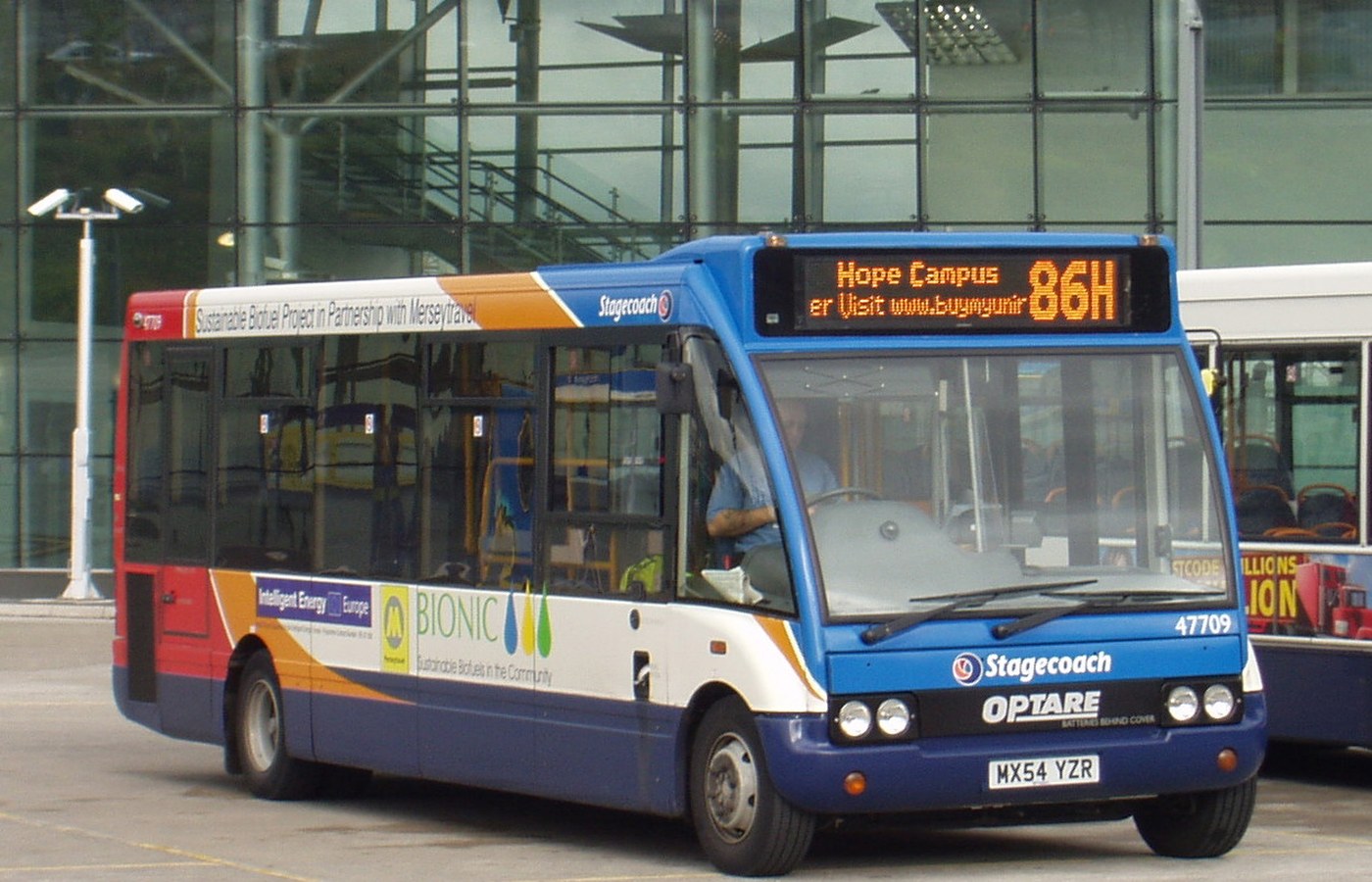
The rollout includes more than 560 new low-emission buses through an investment of over £150 million, with vehicles manufactured in the UK. Fleet delivery update, 4 September 2026.
What this means for SMEs — analysis: More reliable evening, weekend and airport connections can widen access to jobs and customers for local firms, while UK-built vehicles support manufacturing supply chains. These are regional and indirect business benefits; no specific SME contract share was published in the cited updates.
Practical action: St Helens employers should update staff and customer travel information and test how the new routes affect shift planning and access. Businesses elsewhere in the city region should monitor the phased timetable.
Key dates and actions
| Date | Action | Why it matters |
|---|---|---|
| 9 September 2026 | Project PANOPTES webinar | Prospective defence innovators can understand the requirement before bidding. |
| 22 September 2026, 11.59pm | Holiday pay compliance and enforcement consultation | Employers can comment on proportionate enforcement and practical guidance. |
| 23 September 2026, 12 noon BST | Project PANOPTES Stage 1 | Deadline for eligible UK-based innovators. |
| 23 September 2026 | Acas disciplinary and grievance Code consultation | Employers can help shape revised workplace guidance. |
| End of September 2026 | Hospitality Grant Scheme applications expected to begin | Guidance is available now; the announcement gives no exact opening or closing date. |
| 29 September 2026, 11.59pm | Revised tipping code consultation | Hospitality businesses and workers can comment on implementation. |
| 30 September 2026 | Workplace monitoring technologies consultation | Relevant to businesses using monitoring or algorithmic management tools. |
| 27 October 2026 | Equal pay and pay discrimination consultation | Employers can contribute evidence on clarity and workable compliance. |
| 30 November 2026 | Corporate reporting consultation | Opportunity to shape SME reporting and audit-exemption proposals. |
SME4Labour’s perspective

Ibrahim Dogus, Chair of SME4Labour, said:
“Small business owners want government to understand that time is a cost. Labour’s proposals to simplify corporate reporting, alongside targeted support for hospitality and new routes into innovation funding, are welcome practical steps.
“The test must be delivery: rules that are genuinely proportionate, grants and contracts that smaller firms can access, and clear guidance that helps responsible employers get things right. SME4Labour will keep bringing the experience of small and medium-sized businesses into that conversation.”
Priority for the week ahead
Make the corporate-reporting consultation work for smaller firms. SME4Labour should invite accountants, owner-managers, lenders and growing medium-sized companies to identify the reporting requirements that create the greatest cost without adding proportionate value. Evidence should also address safeguards needed to maintain confidence among employees, investors, lenders and suppliers.
Alongside this, hospitality members should be alerted to the grant portal and defence innovators to the 9 September webinar and 23 September deadline.
About SME4Labour
SME4Labour is a Labour supporters’ group bringing together small and medium-sized businesses with Labour representatives, trade unions and policymakers. It is not affiliated to the Labour Party and is not a lobbying organisation.
Methodology: Primary sources checked on 7 September 2026. The main selection covers 31 August–6 September. The employment guidance page was updated on 4 September; the corporate-reporting consultation opens on publication day, 7 September, following its announcement on 6 September. SME implications and suggested actions are analysis, not official promises. Funding releases and programme announcements are not presented as SME contract awards. No unsupported items have been added to fill a category.
For general information only; not legal, tax, procurement or financial advice. Businesses should check eligibility, deadlines and implementation details directly before acting.