
2 min read
26.09.2024
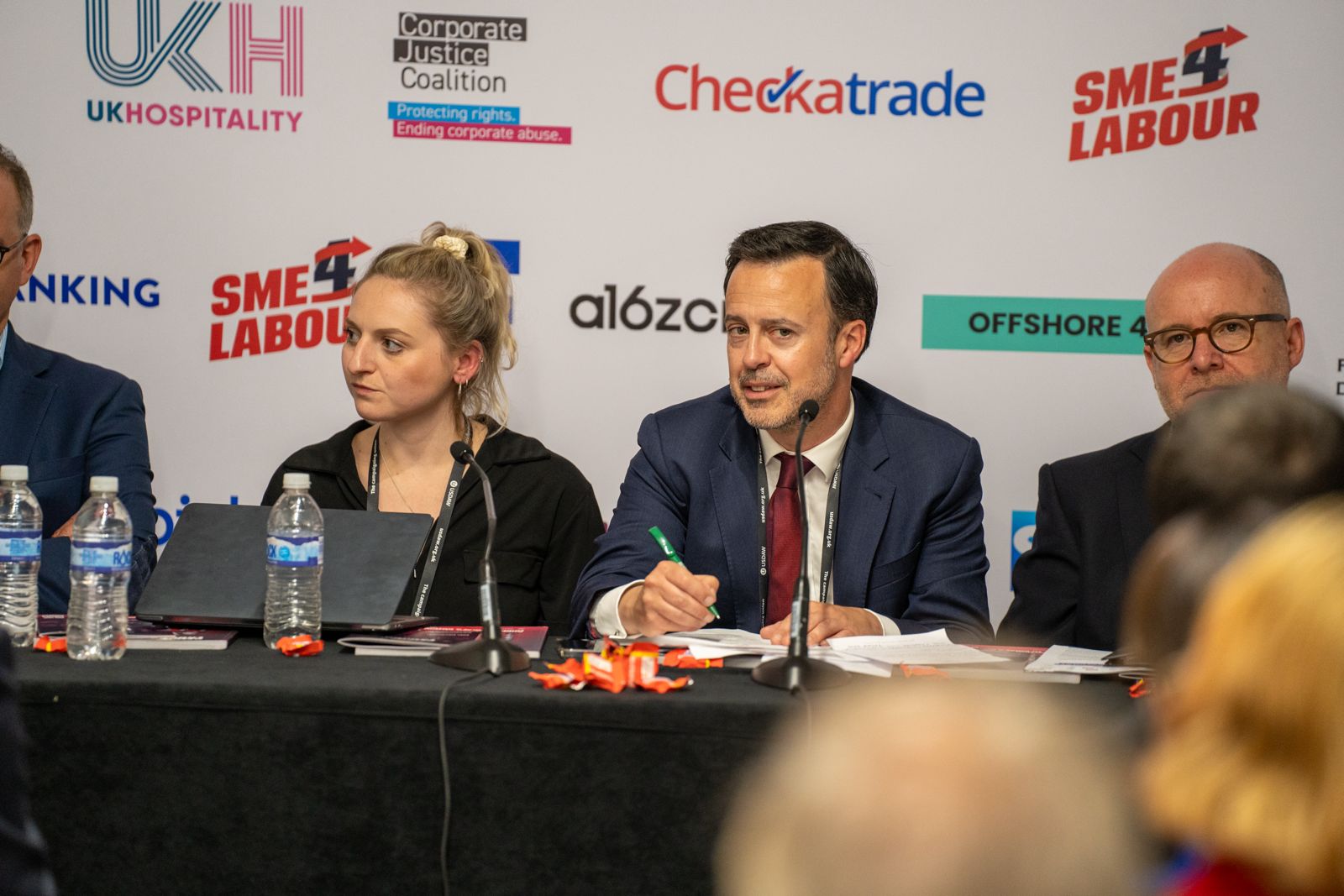
SME4Labour, Labour Campaign for Human Rights, and Corporate Justice Coalition Fringe Event: Implementing a Business, Human Rights and Environment Act (BHREA)
The fringe event hosted by SME4Labour, the Labour Campaign for Human Rights, and the Corporate Justice Coalition brought together policy experts, MPs, and advocates to discuss the implementation of a Business, Human Rights, and Environment Act (BHREA). The panel focused on the importance of holding UK companies accountable for human rights abuses and environmental harm, and on how the BHREA could be a step towards responsible business practices.Speakers & Key Topics
- Kevin Bonavia, MP for Stevenage
- The Rt Hon Lord Hermer, Attorney General for England and Wales and Advocate General for Northern Ireland
- Alex Ballinger, MP for Halesowen
- Olivia Williams, Co-Director of the Labour Campaign for Human Rights
- Daniel Leader, Lawyer and Partner at Leigh Day
- Chloe Cranston, Head of Thematic Advocacy Programs at Anti-Slavery International
Discussion Highlights
- The Need for a BHREA Olivia Williams opened the discussion by underlining the urgency for a BHREA, noting that UK companies are often linked to severe human rights abuses and environmental harms globally. She emphasized that existing legislation lacks teeth, while a BHREA would hold businesses accountable and support responsible practices.
- A Rule of Law Reset Lord Hermer discussed the need for a reset in the rule of law, stating that the new government is committed to engaging stakeholders on issues like human rights. He acknowledged the utility of courts in securing accountability but also noted the limitations of relying solely on litigation.
- Challenges of Implementing BHREA Alex Ballinger addressed concerns about compliance costs and potential unintended consequences. He stressed the importance of ensuring that a BHREA would be both effective and enforceable. In response, Olivia Williams argued that the BHREA would not be a burden on businesses, as a supportive regulator would provide training and assistance to help businesses comply with the law.
- International Cooperation & Accountability Daniel Leader highlighted how a BHREA would strengthen the UK’s stance on human rights internationally, sending a powerful message about the country's commitment to ethical business practices.
- Addressing Root Causes of Human Rights Abuses Chloe Cranston emphasized that a BHREA would not only address human rights abuses but would also tackle their root causes by requiring businesses to take preventive steps, fostering more ethical practices across supply chains.
Audience Q&A Insights
- Role of the Regulator: Olivia Williams clarified that the regulator would play an independent and supportive role, guiding businesses through compliance.
- Cost of Compliance: Addressing concerns, Alex Ballinger noted that the benefits of implementing a BHREA would outweigh the costs, ultimately supporting business growth and reputation.
Key Takeaways
- A BHREA would hold UK companies accountable for their global human rights and environmental impacts.
- The Act would support businesses in adopting responsible practices that benefit people and the planet.
- Implementing a BHREA would bolster the UK’s global reputation for ethical business.
- A supportive regulator would guide businesses in compliance.
- The cost of compliance would be justified by the long-term benefits for businesses and society.
4o