
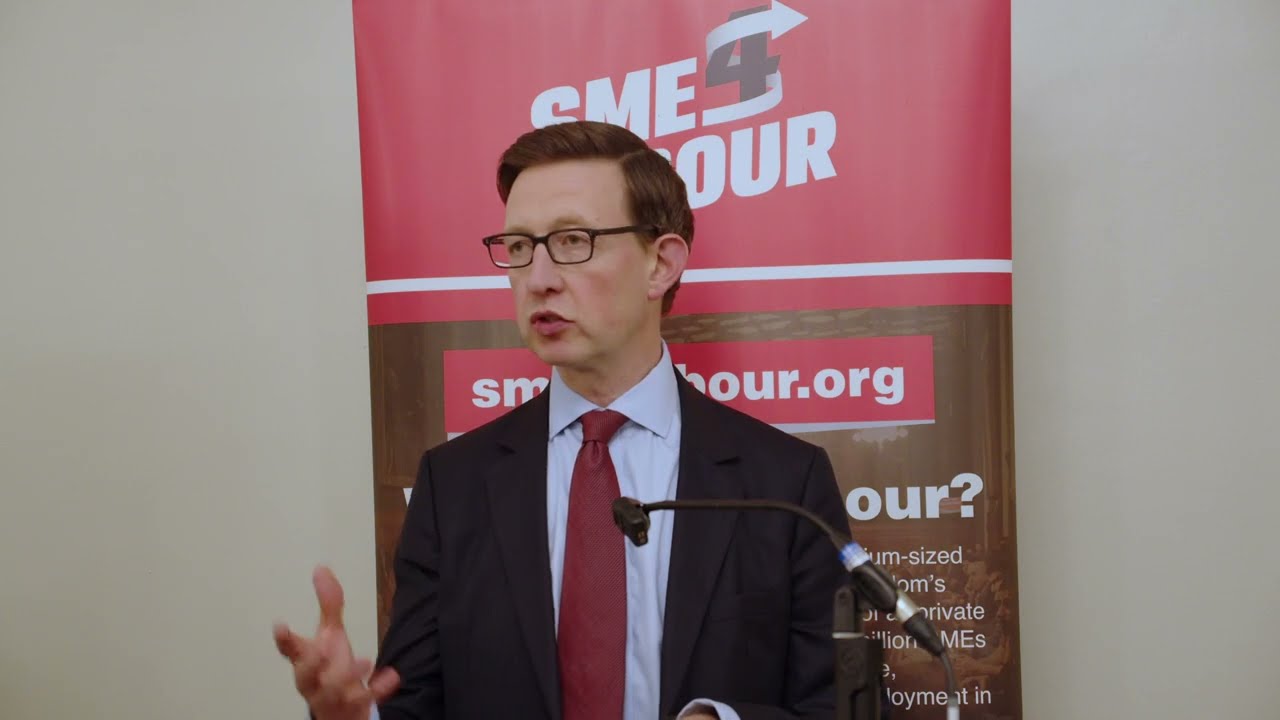
On Monday, October 7, 2024, SME4Labour, in partnership with the Wine & Spirit Trade Association (WSTA), hosted a successful business reception that brought together key industry leaders and political figures to discuss the challenges and opportunities facing small and medium-sized enterprises (SMEs) in the wine and spirits sector.
The event began with a warm welcome from Ibrahim Dogus, Director of SME4Labour, who emphasised the significant contributions of SMEs to the UK economy.
Rupa Huq MP (Ealing Central & Acton), the evening's host, introduced the keynote speakers: Gareth Thomas MP and Baroness Jones of Whitchurch.
Gareth Thomas highlighted inspiring examples of small businesses from his constituency, such as a local brewery and a cooperative bakery, illustrating their vital roles in the community. He emphasised that SMEs are essential to the economy and reaffirmed the Labour Party’s commitment to supporting them through measures like:
-
addressing late payments from larger businesses,
-
reforming business rates,
-
improving access to skills and finance, and
-
enhancing export support.
He also stressed the importance of revitalising high streets, mentioning initiatives to combat crime and improve housing in town centres. Thomas concluded by reaffirming the Labour Party's dedication to maintaining dialogue with small businesses to ensure their ongoing success.
Baroness Jones underscored the necessity of collaboration across government departments, highlighting her dual role in the Department for Business and Trade and the Department for Science and Technology. She outlined the government's commitment to economic growth and detailed initiatives aimed at supporting SMEs. This includes:
-
the establishment of the National Wealth Fund to boost investment, and
-
the extension of the Enterprise Investment Scheme, which addresses common challenges such as insufficient investment and infrastructure.
Jones advocated for leveraging technology to enhance business growth and profitability, emphasising the need for continuous skills development and retraining. She expressed optimism about the government’s capacity to create a supportive environment for businesses, ultimately benefiting the UK economy.
Miles Beale, CEO of the Wine & Spirit Trade Association and the event’s sponsor, emphasised the importance of collaboration between government and businesses to drive economic growth. He highlighted the WSTA's diverse membership, which includes over 300 companies, many of which are small and micro businesses.
Beale pointed out the significant economic impact of the industry, which generated over £76 billion in 2022 and supports over 400,000 jobs. He urged the government not to implement further tax increases on the alcoholic drinks sector, particularly in light of:
-
recent tax hikes, and
-
complex changes to the excise duty system that could threaten the viability of small wine businesses.
Beale called on the new government to maintain the wine easement and work with the sector to promote growth and job creation in local communities.
In her closing remarks, Rupa Huq thanked all attendees and reiterated the need for continued cooperation to support SMEs in the current economic climate.
Key Takeaways:
- Collaboration Across Government and Business: Strong emphasis on the necessity for collaboration between government departments and the private sector to foster economic growth, particularly through initiatives to support SMEs.
- Support for SMEs: The Labour Party’s commitment to enhancing support for SMEs by addressing challenges like late payments, reforming business rates, and improving access to skills and finance.
- Investment Initiatives: The establishment of the National Wealth Fund and the extension of the Enterprise Investment Scheme are crucial for increasing investment in SMEs.
- Economic Impact of the Alcohol Sector: The wine and spirits industry is vital to the economy, generating over £76 billion in 2022 and supporting more than 400,000 jobs. Maintaining favourable tax conditions, such as the wine easement, is essential for the survival and growth of small businesses within this sector.
The event provided an important opportunity to explore how government policies can effectively support the UK’s wine and spirits industry, which is largely made up of SMEs and micro-businesses. Attendees left feeling optimistic about the potential for collaboration between the government and industry, fostering growth and innovation in the sector. The gathering also featured participation from several prominent MPs, underscoring the significance of this dialogue in shaping future initiatives.